THE MISMATCH
Eyes and body disagree
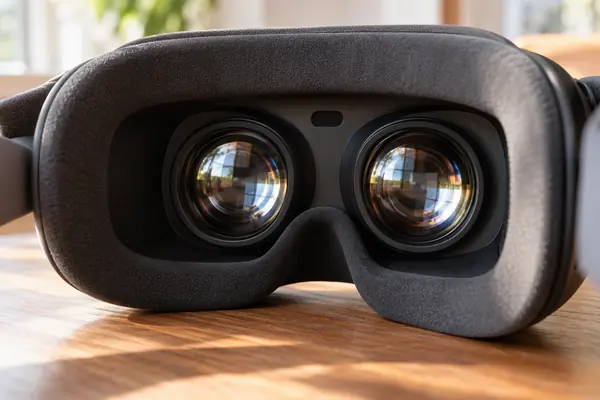
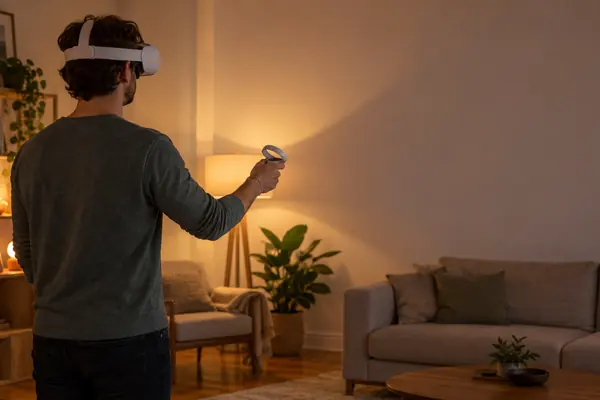
Cybersickness, a form of motion sickness linked to headsets, occurs when what you see doesn't match your body position, says the Canadian Association of Optometrists.
What makes it worse visiontechwear
WHAT THE VR RESEARCH SAYS
Your eyes say you're moving. Your body says you're sitting still.
See what makes it worse
15.6%dropped out of VR studies
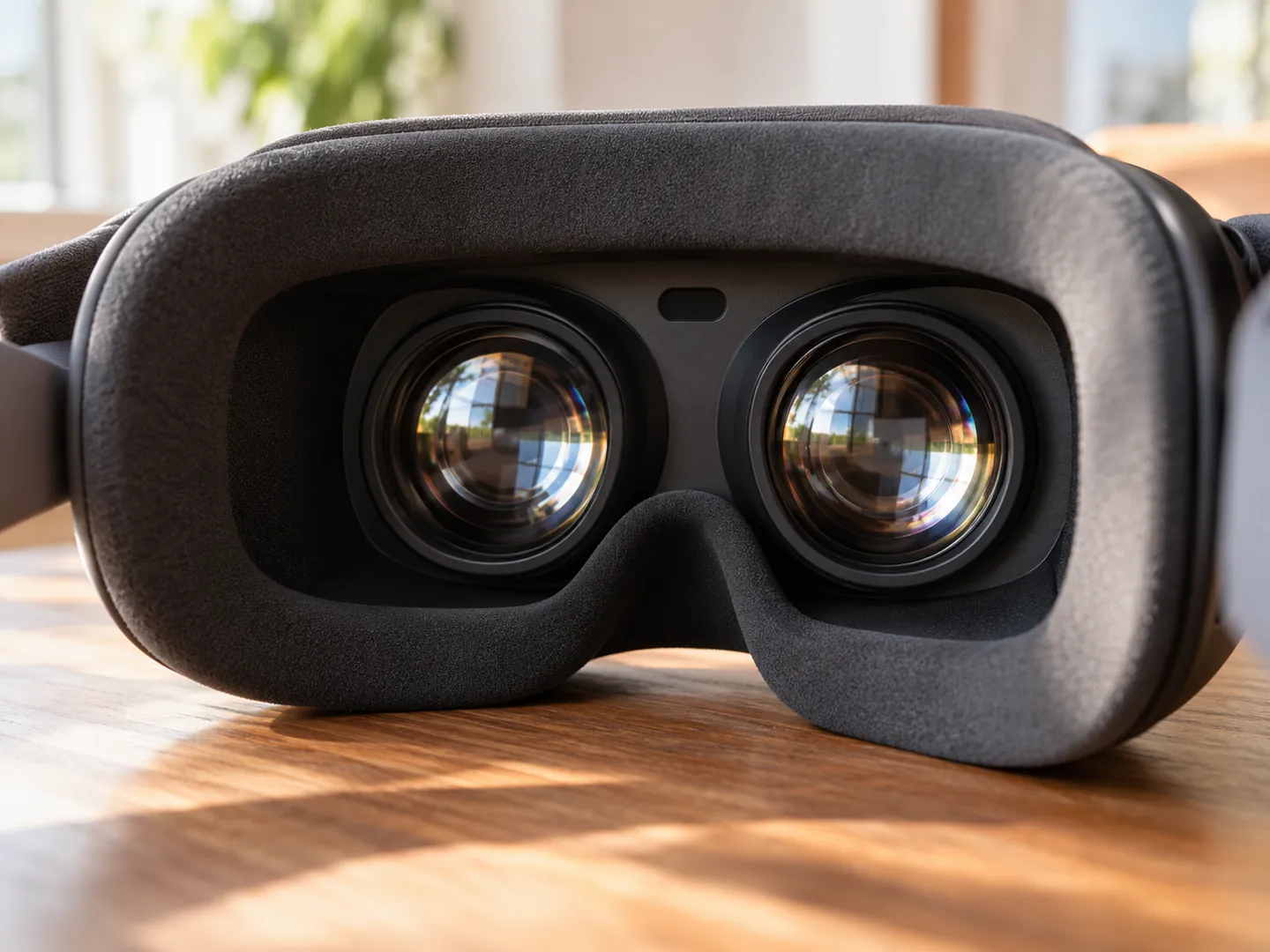
Many people feel dizzy, queasy or strained after time in a virtual reality headset. Researchers call it VR sickness or cybersickness, and studies point to two causes: a mismatch between what you see and what your body senses, and screens that sit at a fixed focus.
Updated
THE SHORT ANSWER
Eyes report motion, the body reports none.
The screens fix your focus at one depth.
THE MISMATCH
Cybersickness, a form of motion sickness linked to headsets, occurs when what you see doesn't match your body position, says the Canadian Association of Optometrists.
What makes it worseTHE FOCUS
Your eyes turn to aim at near and far objects, but in a stereo display they focus at a fixed screen depth. A 2008 lab study linked this conflict to fatigue and discomfort.
See the numbersTHE DOSE
A review of 55 studies found gaming content scored worst and scenic content lowest. Most headset makers also carry warnings for children.
What the guidance saysGeneral information only, not medical advice. For advice about your own health, speak to a doctor, pharmacist or other qualified health professional.
WHICH SESSIONS SCORE WORST?
Pick a situation to see its average score on the Simulator Sickness Questionnaire (SSQ) in the 2020 review. Higher means more symptoms; the bar shows how high.
From Saredakis et al. (2020), a meta-analysis of 55 head-mounted display studies.
TWO NUMBERS WORTH KNOWING
One figure for who gives up,
one for the symptom that leads.
15.6%
Average share who quit because of VR sickness
Across the experiments that reported dropouts, an average of 15.6% of participants left because of VR sickness. Some studies using gaming content reported dropout rates of 44 to 100%.
DROPOUTS · 46 EXPERIMENTS
23.5 SSQ
Pooled disorientation score, the highest subscale
Disorientation scored above oculomotor symptoms (17.09) and nausea (16.72). That differs from travel sickness, where nausea usually leads, and points to dizziness, blurred vision and difficulty focusing.
SYMPTOMS · 55 STUDIES
The review covered 3,016 participants (41% female) and found no sex differences. Stereo headsets may add eye symptoms through the vergence-accommodation conflict.
WHAT THE GUIDANCE SAYS
Eye-care and health bodies offer a few general points. They are not a substitute for an eye examination or a pharmacist's advice.
Follow the warnings that come with the headset. Most makers include warnings for children, whose vision is still developing.
The Canadian Association of Optometrists advises limiting time spent in the virtual world.
In the 2020 review, scenic content scored lowest for sickness and gaming highest.
The same optometrists advise regular comprehensive eye examinations for all users.
THE FOCUSING PUZZLE
In normal viewing, your eyes converge on an object and focus at the same distance. A stereo display gives every object its focus at the screen surface, so the two responses must be uncoupled, which can make images harder to fuse.
In a 2008 study with a display that gave nearly correct focus cues, viewers identified stereo images faster, saw depth with less distortion and reported less fatigue and discomfort.
Questions
Symptoms such as dizziness, nausea, eye strain and blurred vision during or after using a headset. It is also called cybersickness or simulator sickness.
Cybersickness is linked to a mismatch between what you see and what your body senses. The NHS explains travel sickness the same way: the inner ear and eyes send the brain different signals.
Yes. In a 2020 review of 55 studies, gaming content had the highest average sickness score, then 360° videos and minimalist content, with scenic content lowest.
Little is known about its effects on the eyes. The Canadian Association of Optometrists notes that most makers warn about children, because a child's visual system is still developing.
The 2020 review found no sex difference, though it notes earlier research suggesting a higher risk for women and calls for more study.
ABOUT THIS NAME
visiontechwear.com is part of the DoodleSale portfolio. It isn't in an auction right now, but you can ask about leasing it.